In Stock

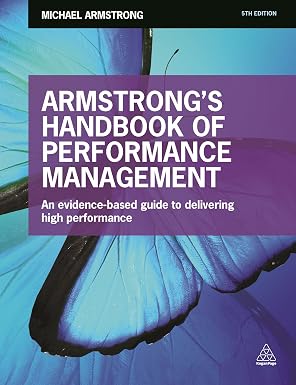
Armstrong’s Handbook of Performance Management: An Evidence-Based Guide to Delivering High Performance

22,800.00

The introduction explains that performance management is a continuous process for improving individual and organizational effectiveness. It emphasizes that managing performance is not simply about annual appraisals or judging employees; rather, it involves creating a shared understanding of goals, supporting employees, providing feedback, and developing capability to achieve better results.

Key themes include:

  • Meaning of performance management:
    Performance management is presented as a structured approach that links organizational objectives with individual and team contributions. It helps employees understand expectations and how their work supports broader business goals.
  • Beyond traditional performance appraisal:
    The introduction explains that effective performance management is broader than periodic reviews. It includes ongoing conversations, coaching, feedback, learning, and support for improvement.
  • Alignment with organizational strategy:
    A central purpose of performance management is ensuring that employee objectives are connected to the organization’s mission, priorities, and desired outcomes.


1 in stock

SKU: 9780749470296 Category:

Description

The introduction explains that performance management is a continuous process for improving individual and organizational effectiveness. It emphasizes that managing performance is not simply about annual appraisals or judging employees; rather, it involves creating a shared understanding of goals, supporting employees, providing feedback, and developing capability to achieve better results.

Key themes include:

  • Meaning of performance management:
    Performance management is presented as a structured approach that links organizational objectives with individual and team contributions. It helps employees understand expectations and how their work supports broader business goals.
  • Beyond traditional performance appraisal:
    The introduction explains that effective performance management is broader than periodic reviews. It includes ongoing conversations, coaching, feedback, learning, and support for improvement.
  • Alignment with organizational strategy:
    A central purpose of performance management is ensuring that employee objectives are connected to the organization’s mission, priorities, and desired outcomes.

Reviews

There are no reviews yet.

Be the first to review “Armstrong’s Handbook of Performance Management: An Evidence-Based Guide to Delivering High Performance”

Your email address will not be published. Required fields are marked *