In Stock

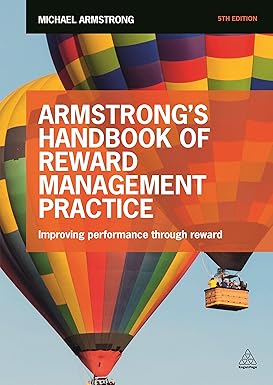
Armstrong’s Handbook of Reward Management Practice

30,400.00

The introduction explains that reward management is a key part of human resource management because the way organizations reward employees influences motivation, engagement, retention, and performance. It presents reward not simply as payment for work, but as a broader system that includes financial rewards, benefits, recognition, development opportunities, and the overall employee experience.

Key themes include:

  • Purpose of reward management:
    Reward management aims to create fair and effective systems that attract, retain, and motivate employees while helping organizations achieve their strategic objectives.
  • Link between reward and performance:
    The introduction emphasizes that well-designed reward practices can encourage desired behaviors, recognize contributions, and support improved individual and organizational performance.
  • Total reward approach:
    Modern reward management includes both financial elements (such as pay, bonuses, and benefits) and non-financial elements (such as recognition, career growth, meaningful work, and work-life balance).
  • Strategic alignment:
    Reward systems should be connected to business strategy and organizational values so that employee contributions support long-term goals
1 in stock

SKU: 9780749473891 Category:

Description

The introduction explains that reward management is a key part of human resource management because the way organizations reward employees influences motivation, engagement, retention, and performance. It presents reward not simply as payment for work, but as a broader system that includes financial rewards, benefits, recognition, development opportunities, and the overall employee experience.

Key themes include:

  • Purpose of reward management:
    Reward management aims to create fair and effective systems that attract, retain, and motivate employees while helping organizations achieve their strategic objectives.
  • Link between reward and performance:
    The introduction emphasizes that well-designed reward practices can encourage desired behaviors, recognize contributions, and support improved individual and organizational performance.
  • Total reward approach:
    Modern reward management includes both financial elements (such as pay, bonuses, and benefits) and non-financial elements (such as recognition, career growth, meaningful work, and work-life balance).
  • Strategic alignment:
    Reward systems should be connected to business strategy and organizational values so that employee contributions support long-term goals

Reviews

There are no reviews yet.

Be the first to review “Armstrong’s Handbook of Reward Management Practice”

Your email address will not be published. Required fields are marked *