

Description
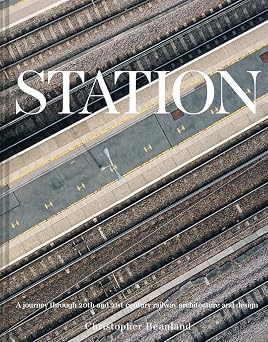
The introduction explains that railway stations are much more than transportation hubs. They are landmarks that reflect a city’s history, architectural identity, technological progress, and cultural aspirations. The author argues that while many books focus on the nostalgia of the steam age, this book celebrates the evolution of railway architecture from the mid-20th century to the present.
Christopher Beanland introduces railway stations as places where engineering, architecture, urban planning, and public life intersect. Modern stations are designed not only to move people efficiently but also to serve as civic spaces, commercial centers, and symbols of national or regional identity.
Key ideas introduced include:
- The evolution of railway architecture from postwar modernism to contemporary high-speed rail terminals.
- Stations as public spaces, combining transportation, commerce, and community life.
- Architectural diversity, showing how different countries express their cultures through station design.
- Innovation in transport infrastructure, including high-speed rail, metro systems, monorails, and integrated transport hubs.
- The relationship between architecture and travel, highlighting how stations shape the experience of movement and exploration.










Reviews
There are no reviews yet.