In Stock

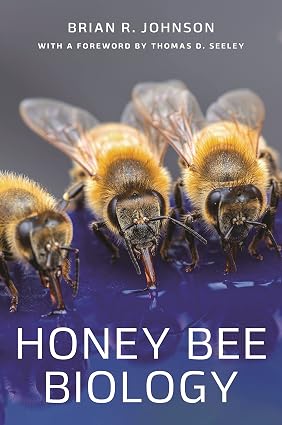
Honey Bee Biology

15,200.00

The introduction explains why honey bees are among the most intensively studied insects in the world. Brian Johnson describes how honey bees have become a model organism for research in genetics, physiology, behavior, neuroscience, ecology, and evolution, while also playing an essential role in agriculture through pollination. He notes that scientific understanding of honey bees has advanced dramatically in recent decades, making an updated, comprehensive reference necessary. The introduction outlines the book’s purpose: to integrate both classical knowledge and modern discoveries—including genomics, cognition, immunity, pesticides, parasites, and colony health—into a single resource for students, researchers, and scientifically minded beekeepers. It also previews the organization of the chapters, which progress from honey bee biology at the molecular and individual level to colony organization, behavior, ecology, and interactions with humans


1 in stock

SKU: 9780691204888 Category:

Description

The introduction explains why honey bees are among the most intensively studied insects in the world. Brian Johnson describes how honey bees have become a model organism for research in genetics, physiology, behavior, neuroscience, ecology, and evolution, while also playing an essential role in agriculture through pollination. He notes that scientific understanding of honey bees has advanced dramatically in recent decades, making an updated, comprehensive reference necessary. The introduction outlines the book’s purpose: to integrate both classical knowledge and modern discoveries—including genomics, cognition, immunity, pesticides, parasites, and colony health—into a single resource for students, researchers, and scientifically minded beekeepers. It also previews the organization of the chapters, which progress from honey bee biology at the molecular and individual level to colony organization, behavior, ecology, and interactions with humans

Reviews

There are no reviews yet.

Be the first to review “Honey Bee Biology”

Your email address will not be published. Required fields are marked *