In Stock

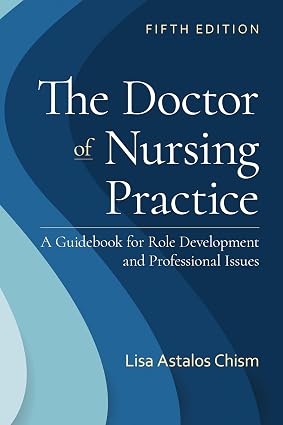
The Doctor of Nursing Practice: A Guidebook for Role Development and Professional Issues

34,200.00

The introduction presents the Doctor of Nursing Practice (DNP) degree as an important advancement in nursing education and professional practice. It explains that DNP-prepared nurses are expected to apply advanced clinical knowledge, leadership skills, evidence-based practice, and systems thinking to improve healthcare outcomes.

Key themes include:

  • Evolution of the DNP role: The introduction describes the growth of the DNP degree as a response to the increasing complexity of healthcare and the need for nurses who can translate research into clinical practice.
  • Professional role development: DNP graduates are prepared to function as leaders, clinicians, educators, scholars, policy advocates, and change agents within healthcare systems.
  • Evidence-based practice: The DNP role emphasizes using research evidence, clinical expertise, and patient-centered considerations to improve healthcare quality and safety.
  • Leadership and systems thinking: DNP-prepared nurses are expected to lead organizational change, improve healthcare delivery models, and address challenges within complex healthcare environments.
  • Advanced nursing competencies: The introduction highlights the importance of competencies related to clinical practice, healthcare policy, ethics, informatics, quality improvement, and interprofessional collaboration.


1 in stock

SKU: 9781284233155 Category:

Description

The introduction presents the Doctor of Nursing Practice (DNP) degree as an important advancement in nursing education and professional practice. It explains that DNP-prepared nurses are expected to apply advanced clinical knowledge, leadership skills, evidence-based practice, and systems thinking to improve healthcare outcomes.

Key themes include:

  • Evolution of the DNP role: The introduction describes the growth of the DNP degree as a response to the increasing complexity of healthcare and the need for nurses who can translate research into clinical practice.
  • Professional role development: DNP graduates are prepared to function as leaders, clinicians, educators, scholars, policy advocates, and change agents within healthcare systems.
  • Evidence-based practice: The DNP role emphasizes using research evidence, clinical expertise, and patient-centered considerations to improve healthcare quality and safety.
  • Leadership and systems thinking: DNP-prepared nurses are expected to lead organizational change, improve healthcare delivery models, and address challenges within complex healthcare environments.
  • Advanced nursing competencies: The introduction highlights the importance of competencies related to clinical practice, healthcare policy, ethics, informatics, quality improvement, and interprofessional collaboration.

Reviews

There are no reviews yet.

Be the first to review “The Doctor of Nursing Practice: A Guidebook for Role Development and Professional Issues”

Your email address will not be published. Required fields are marked *