

Description
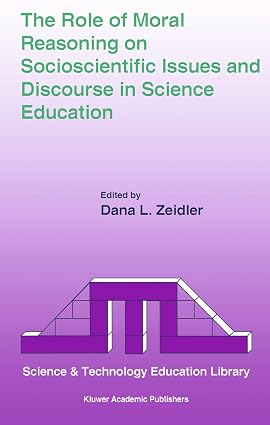
The Introduction, by Norman G. Lederman, sets up the central problem of the book: science education should not be only about learning scientific facts and skills; students also need to think about the social, ethical, and moral consequences of science and technology.
The main ideas are:
- Science affects society
Scientific and technological developments can create important social and ethical questions—for example, questions involving environmental issues, biotechnology, nuclear technology, or medical decisions. - Scientific literacy is more than knowledge
A scientifically literate person should be able to understand scientific information and think critically about its implications for people and society. - Moral reasoning is important
When people face socioscientific issues, they often have to make judgments involving values, ethics, evidence, and competing viewpoints.










Reviews
There are no reviews yet.