
Showing 61–72 of 72 results

Role Development in Professional Nursing Practice
₨30,400.00Add to cartThe introduction explains that becoming a professional nurse involves more than acquiring clinical skills. It requires developing a professional identity, embracing ethical responsibilities, and committing to lifelong learning and high-quality patient care. The text is designed to help students understand the knowledge, attitudes, and competencies needed to succeed in today’s complex healthcare environment.
Key themes include:
- Professional identity: Nursing is a profession founded on compassion, accountability, critical thinking, and evidence-based practice. Students are encouraged to develop a strong professional identity as they transition into practice.
- Patient-centered care: The primary focus of nursing is delivering safe, high-quality, patient-centered care while respecting patients’ values, preferences, and cultural backgrounds.
- Leadership and teamwork: Every nurse is expected to demonstrate leadership, collaborate effectively with interdisciplinary healthcare teams, and contribute to quality improvement initiatives.
- Communication: Effective communication with patients, families, and healthcare professionals is essential for ensuring patient safety and positive health outcomes.
- Evidence-based practice: Nurses should integrate the best available research evidence with clinical expertise and patient preferences to make informed clinical decisions.
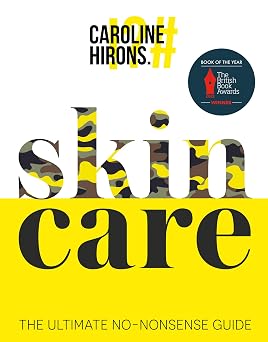
Skincare
₨7,600.00Add to cartThe introduction explains that many people are overwhelmed by conflicting skincare advice, marketing claims, and social media trends. Caroline Hirons aims to simplify skincare by providing clear, practical, and science-based guidance so readers can make informed decisions about caring for their skin.
Key themes introduced include:
- Cutting through myths: The book challenges common misconceptions and marketing hype surrounding skincare products and routines.
- Understanding skin health: Readers are encouraged to learn how the skin functions before choosing products or treatments.
- Evidence-based advice: Recommendations are based on professional experience and current skincare knowledge rather than trends or celebrity endorsements.
- Personalized routines: There is no single routine that works for everyone; skincare should be tailored to an individual’s skin type, age, concerns, and lifestyle.
- Ingredient literacy: The introduction emphasizes the importance of understanding ingredient lists and product formulations instead of relying solely on brand names or packaging.
- Simple, practical approach: The goal is to help readers build effective skincare routines that are realistic, affordable, and sustainable over time

Technical Drawing with Engineering Graphics
₨26,600.00Add to cartTechnical Drawing with Engineering Graphics is a foundational textbook that introduces the principles and practices of engineering drawing, technical communication, and graphical representation used in engineering and design fields. It is intended for engineering students, designers, and technical professionals who need to develop the ability to visualize, create, and interpret accurate engineering drawings.
The book emphasizes the connection between design concepts and their graphical expression, teaching students how engineers communicate ideas through standardized drawings. It covers both traditional drafting techniques and modern computer-aided design (CAD) approaches, helping learners understand how three-dimensional objects are represented in two-dimensional drawings.
Key concepts introduced include:
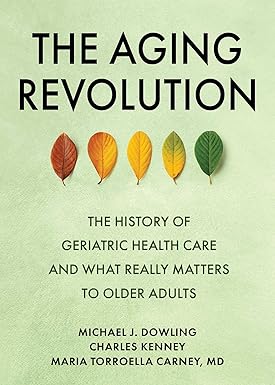
The Aging Revolution: The History of Geriatric Health Care and What Really Matters to Older Adults
₨19,000.00Add to cartThe introduction explains that the world’s population is aging rapidly, making the health and well-being of older adults one of the defining healthcare challenges of the 21st century. Although medicine has greatly increased life expectancy, healthcare systems have not always adapted to meet the unique needs of older people. The authors argue that aging should not be viewed simply as a medical problem but as a stage of life that deserves dignity, independence, and high-quality, person-centered care.
Key themes include:
- The rise of geriatric medicine: The book introduces the pioneers who transformed the care of older adults by establishing geriatrics and palliative care as recognized medical specialties.
- Aging with dignity: Quality of life, independence, and respect for older adults are presented as central goals of healthcare.
- Person-centered care: The introduction emphasizes treating each older adult as an individual with unique goals, values, and needs rather than focusing only on diseases.
- Healthcare innovation: New models of care—including interdisciplinary teams, home-based care, and age-friendly health systems—have significantly improved outcomes for older adults.
- Continuing challenges: Despite substantial progress, many older adults still face barriers such as inadequate access to care, ageism, workforce shortages, and unequal health outcomes.
- A vision for the future: The authors call for continued innovation, policy reform, and investment to ensure that growing older is accompanied by better health, greater independence, and improved quality
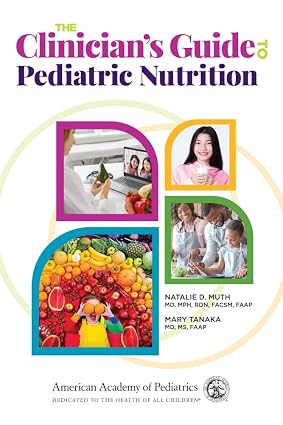
The Clinician’s Guide to Nutrition
₨30,400.00Add to cartThe introduction emphasizes that nutrition is a cornerstone of children’s health, growth, and development. Because pediatric healthcare providers are often the first professionals families consult about nutrition, clinicians need practical, up-to-date knowledge to guide patients and caregivers toward healthy eating habits and prevent nutrition-related diseases.
Key themes include:
- Nutrition as preventive medicine: Good nutrition supports healthy growth, cognitive development, immune function, and long-term health while reducing the risk of chronic diseases.
- Primary care’s role: Pediatric clinicians are encouraged to integrate nutrition assessment and counseling into routine healthcare visits.
- Evidence-based guidance: The book aims to translate current scientific research and dietary recommendations into practical advice that clinicians can apply in everyday practice.
- Family-centered counseling: Effective nutrition care involves partnering with parents and caregivers, considering cultural preferences, family routines, and socioeconomic factors.
- Comprehensive nutritional care: Readers are introduced to methods for assessing nutritional status, identifying nutritional risks, and providing age-appropriate recommendations from infancy through adolescence.
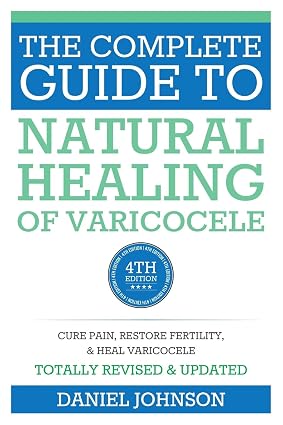
The Complete Guide to Natural Healing of Varicocele
₨21,280.00Add to cartThe introduction explains the authors’ aim to provide information for people seeking a broader understanding of varicocele and possible non-surgical approaches to managing symptoms and supporting reproductive health. It introduces varicocele as a condition that may affect comfort, testicular function, and fertility, and emphasizes learning about contributing factors rather than focusing only on symptoms.
Key themes include:
- Understanding varicocele: The book introduces the anatomy and basic mechanisms involved in varicocele, including the enlargement of veins around the testicle.
- Impact on health: It discusses how varicocele may be associated with symptoms such as discomfort, changes in testicular function, and concerns related to fertility.
- Lifestyle and holistic approaches: The authors present nutrition, exercise, lifestyle changes, and other supportive strategies as areas to explore alongside appropriate medical care.
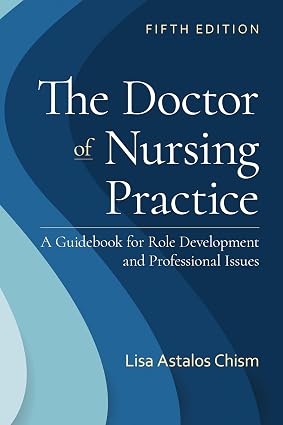
The Doctor of Nursing Practice: A Guidebook for Role Development and Professional Issues
₨34,200.00Add to cartThe introduction presents the Doctor of Nursing Practice (DNP) degree as an important advancement in nursing education and professional practice. It explains that DNP-prepared nurses are expected to apply advanced clinical knowledge, leadership skills, evidence-based practice, and systems thinking to improve healthcare outcomes.
Key themes include:
- Evolution of the DNP role: The introduction describes the growth of the DNP degree as a response to the increasing complexity of healthcare and the need for nurses who can translate research into clinical practice.
- Professional role development: DNP graduates are prepared to function as leaders, clinicians, educators, scholars, policy advocates, and change agents within healthcare systems.
- Evidence-based practice: The DNP role emphasizes using research evidence, clinical expertise, and patient-centered considerations to improve healthcare quality and safety.
- Leadership and systems thinking: DNP-prepared nurses are expected to lead organizational change, improve healthcare delivery models, and address challenges within complex healthcare environments.
- Advanced nursing competencies: The introduction highlights the importance of competencies related to clinical practice, healthcare policy, ethics, informatics, quality improvement, and interprofessional collaboration.
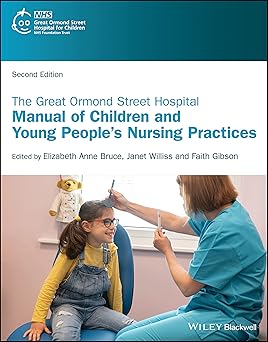
The Great Ormond Street Hospital Manual of Children and Young People’s Nursing Practices
₨13,680.00Add to cartThe introduction explains that caring for children and young people requires specialized knowledge, skills, and a family-centered approach. Pediatric nursing is distinct because children are continuously developing physically, emotionally, socially, and cognitively, and their care must be adapted according to age, developmental stage, health condition, and family circumstances.
Key themes include:
- Child- and family-centered care: The introduction emphasizes that children should be cared for within the context of their families and communities. Parents and caregivers are viewed as essential partners in planning and delivering care.
- Evidence-based nursing practice: Clinical decisions should be guided by the best available research evidence, professional expertise, and the needs and preferences of children and families.
- Developmental considerations: Nurses must understand normal growth and development to recognize health problems, communicate effectively, and provide appropriate interventions.
- Clinical competence and safety: The manual highlights the importance of skilled assessment, accurate clinical procedures, infection prevention, medication safety, and recognition of deterioration in children.
- Holistic care: Pediatric nursing involves addressing not only physical illness but also emotional well-being, psychological needs, education, communication, and support for families.
- Supporting professional practice: The book aims to help nursing students, newly registered nurses, and experienced practitioners develop confidence and clinical judgment when caring for children with a wide range of health needs.
The New Materia Medica: Volume III
₨34,200.00Add to cartThe introduction presents the purpose of the book as an expansion of modern homeopathic materia medica by documenting new remedies and their developing profiles. It explains that materia medica—the study of remedies and their therapeutic descriptions—is a central foundation of homeopathy, helping practitioners understand patterns associated with different substances and their use in case analysis.
Key themes include:
- Expanding remedy knowledge: The book introduces additional remedies intended to broaden the resources available to homeopathic practitioners, students, and teachers.
- Observation and case study: It emphasizes the role of careful observation, clinical experience, and ongoing evaluation in developing understanding of new remedies.
- Holistic approach: The introduction reflects the homeopathic perspective of considering the whole person, including physical, emotional, and mental characteristics, when studying remedies.
- Contemporary relevance: The text explores remedies that the author associates with challenges of modern life and changing patterns of health and well-being.
- Learning and practice: The book is presented as a reference for practitioners and students who wish to deepen their understanding of remedy profiles and broaden their materia medica knowledge.

The Weight of Nature: How a Changing Climate Changes Our Brains
₨13,680.00Add to cartThe introduction presents the idea that climate change is not only an environmental crisis but also a factor that can directly affect human brains, emotions, decision-making, and behavior. Clayton Page Aldern examines how changes in the natural world—such as rising temperatures, extreme weather, pollution, and ecological disruption—can influence cognition, mental health, and social interactions.
Key themes include:
- The connection between environment and the brain: The introduction explains that human biology and psychology are deeply connected to the surrounding environment, and environmental changes can alter how people think, feel, and act.
- Climate change as a public health issue: The book frames climate impacts as extending beyond physical health risks to include effects on memory, mental well-being, stress responses, and behavior.
- Neuroscience and psychology of climate impacts: The author combines research from neuroscience, behavioral science, and environmental studies to investigate how climate-related pressures affect human functioning.
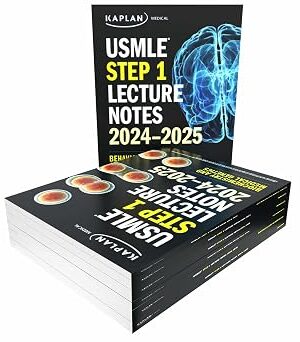
USMLE Step 1 Lecture Notes 2024-2025: 7-Book Preclinical
₨95,000.00Add to cartThe introduction explains that success on USMLE Step 1 requires more than memorizing isolated facts; it requires an integrated understanding of the basic sciences and their clinical applications. The resource is designed to help students organize, review, and apply foundational medical knowledge in preparation for a high-stakes licensing examination.
Key themes include:
- Integration of basic sciences and clinical medicine: The introduction emphasizes connecting subjects such as anatomy, physiology, pathology, pharmacology, microbiology, immunology, biochemistry, and behavioral science to understand disease processes and patient care.
- High-yield exam preparation: The material focuses on essential concepts that are frequently tested, helping students prioritize important topics during review.
- Concept-based learning: Students are encouraged to understand mechanisms and relationships rather than relying only on memorization.
- Clinical application: The notes highlight the importance of applying scientific principles to clinical scenarios and interpreting how changes at the molecular or cellular level affect patients.
- Structured review approach: The seven-volume set organizes content by major disciplines, providing outlines, illustrations, summaries, and review tools to support efficient studying.
- Preparation strategy: The introduction encourages consistent study, active recall, practice questions, and repeated review to build confidence and exam readiness.
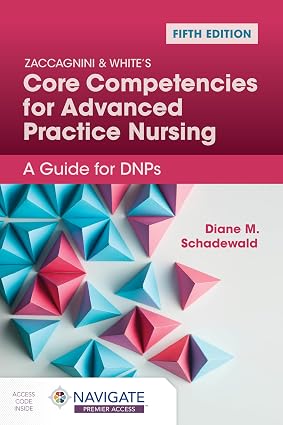
Zaccagnini & White’s Core Competencies for Advanced Practice Nursing: A Guide for Dnps
₨19,000.00Add to cartThe introduction presents the role of the Doctor of Nursing Practice (DNP) as a practice-focused doctoral degree that prepares nurses to lead healthcare improvement through advanced clinical expertise, evidence-based practice, leadership, and systems-level thinking. It explains that DNP-prepared nurses are expected to translate research into practice, improve patient outcomes, and influence healthcare delivery.
Key themes include:
- Understanding the DNP role: The introduction explains the purpose of DNP education and how it prepares nurses for advanced roles in clinical practice, leadership, education, informatics, administration, and healthcare innovation.
- AACN Essentials framework: The book connects DNP competencies with the AACN Essentials, helping learners understand the knowledge and skills required for contemporary advanced nursing practice.
- Evidence-based practice and quality improvement: DNP-prepared nurses use research evidence, clinical expertise, and patient-centered approaches to develop improvements in healthcare quality and safety.